$ USD
$ USD








The Road Watches Back – A Look into Australia’s Automated Camera Past
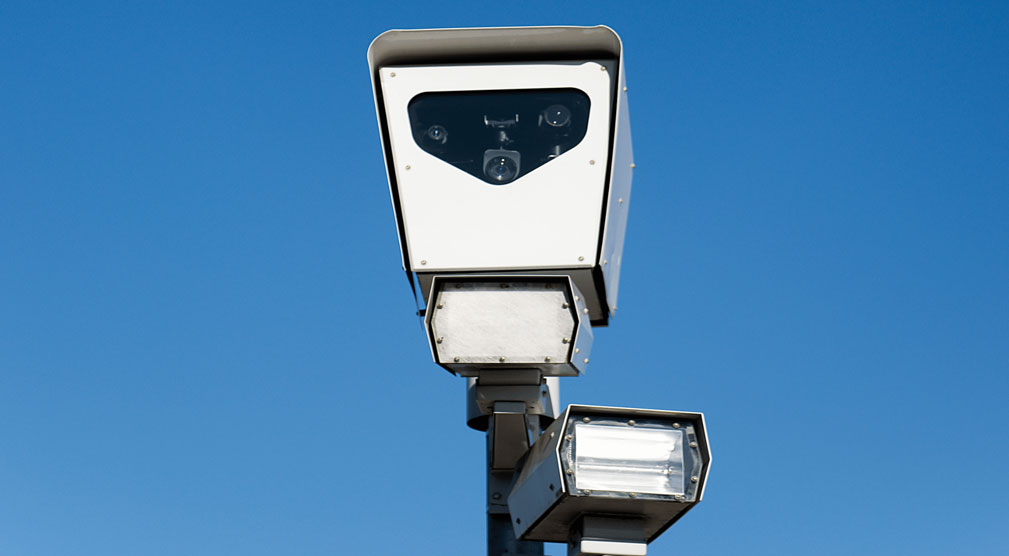
If you are driving on an Australian highway in 2026, you probably have a distinct feeling that you aren’t alone. You aren’t. Between overhead Gantries, unmarked mobile vans, and unobtrusive boxes on poles, the “Eye in the Sky” is a constant companion for the modern motorist.
If you dig through the auto camera cases archives, you can see the rapid shift in technology. We moved from simple radar beams that measured speed to complex laser scanners that could track multiple lanes at once. The old physical records were replaced by digital files, instantly zapping images of license plates to central processing centres. The turnaround time from “flash” to fine dropped from weeks to days.
Australia has long been a world leader in using technology to police its vast road network. But it wasn’t always high-definition video and instant, wireless fines. Let’s take a drive down memory lane to see how we got here.
The Age of the Flash
For decades, the definition of an “auto camera” was very different. It usually meant a clunky, heavy grey box sitting menacingly on the shoulder of the highway.
If you were driving in the 1980s or 90s, you remember the heart-stopping moment; a sudden, blinding double-flash in your rearview mirror at night. You knew immediately you’d been caught going a few kilometers over the limit.
These early machines were surprisingly physical. They often used actual rolls of “wet film.” A human technician had to physically drive to the camera box, unlock it, remove the film canister, and take it back to a lab to be developed before a fine could even be written. It was a slow process, but it changed the way Australians drove forever.
Going Digital
The real revolution happened at the turn of the century. As cameras moved from film to digital sensors, they didn’t just get smaller; they got smarter and faster. They no longer needed daily visits from technicians.
Looking at the auto camera cases archives Australia holds, it is clear that our country adopted this technology faster and more aggressively than almost anywhere else in the world. We were early adopters of point-to-point systems, which measured your average speed over a long distance rather than just at a single spot.
Your Own Eye on the Road
In a world of automated fines, having your own high-quality recording of a driving incident is your best defence. It’s your personal archive of what really happened on the road. Just remember, if you invest in a good dash cam, make sure you look after it with the right accessories to keep it running in the harsh Australian sun. Because on today’s roads, it helps to have an extra set of eyes looking out for you.